From Farm to Future with Mass Timber: Tillamook's Agro-dairy Roots
Author and Photography by Talking Forests
Oh, Oregon!
A land of lush forests, rugged coastlines, and, of course, some of the most delicious dairy products you could ever imagine. But what if I told you that the secret ingredient to Tillamook's enduring legacy isn't just happy cows and expert cheesemakers, but also a healthy dose of mass timber? In true Talking Forests fashion, we're diving into a deliciously unexpected connection between agriculture, architecture, and the towering trees of the Pacific Northwest.
More Than Just a Dairy Dream
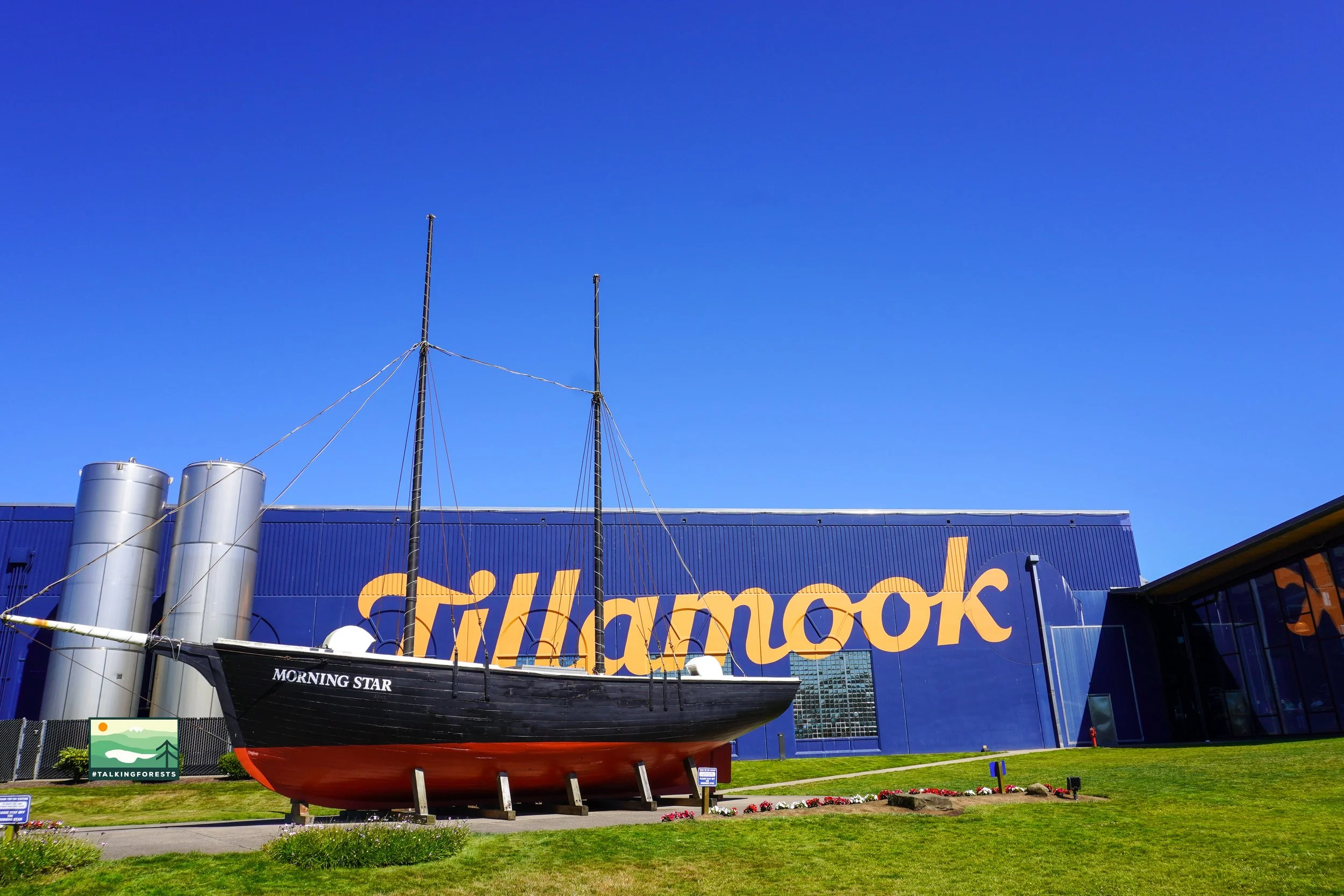
For over a century, Tillamook has been an iconic name in the Pacific Northwest, a farmer-owned dairy cooperative churning out award-winning cheese, ice cream, butter, sour cream, and yogurt. Their roots run deep in the coastal town of Tillamook, Oregon, where the very air seems to whisper tales of tradition and quality. But as beloved as their products are, Tillamook knows that to truly thrive, they need to connect their rich heritage with modern innovation and sustainability. And this is where the magic of mass timber steps in!
The Tillamook Creamery Visitor Center
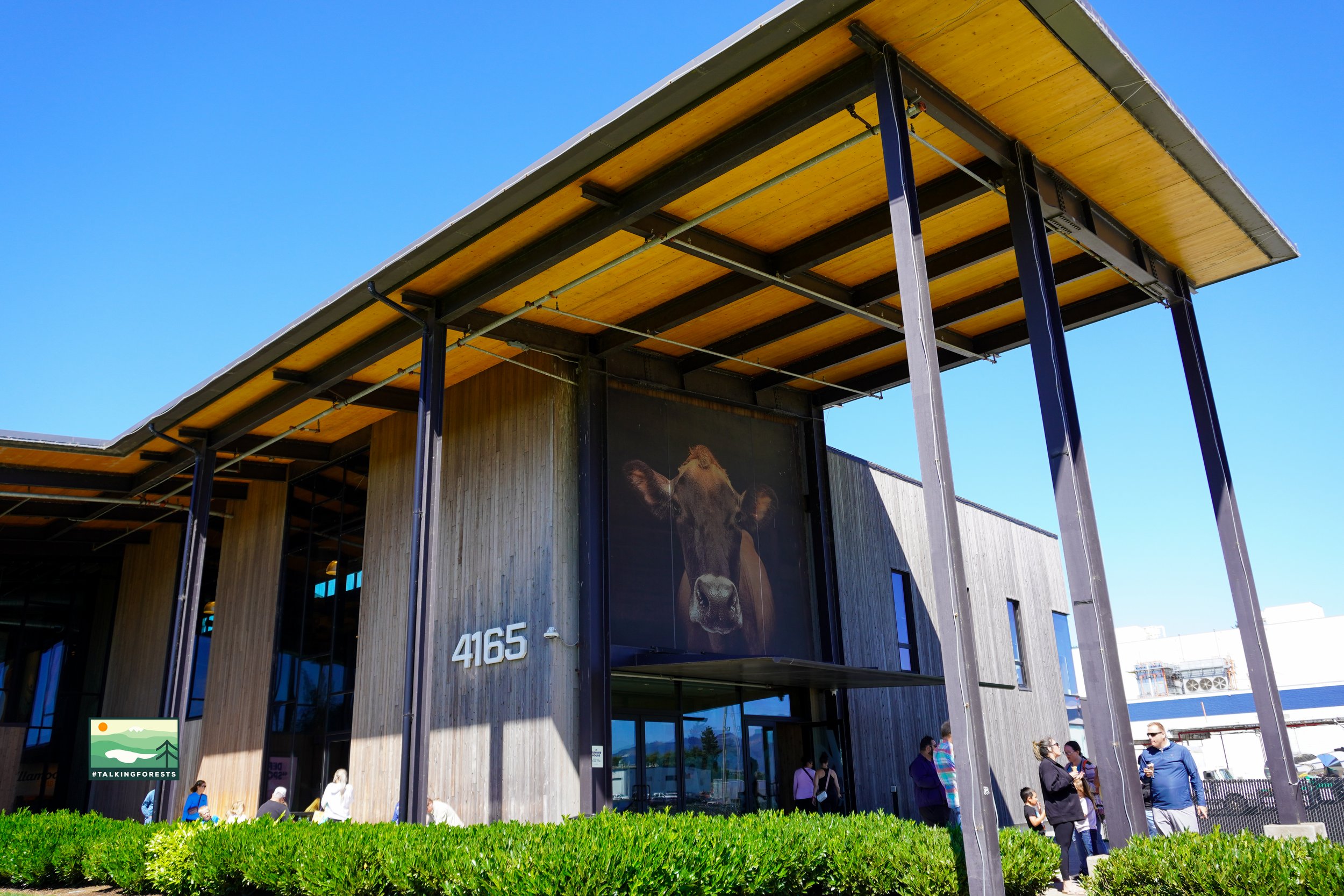
Imagine a place where over 1.3 million visitors annually, sometimes as many as 18,000 on a peak summer day, come to immerse themselves in the story of cheese, from farm to table. That's the Tillamook Creamery Visitor Center in Tillamook, Oregon. It's not just a building; it's an experience, designed to illustrate Tillamook’s mission and origins through architecture, interactive exhibits, landscape design, and custom furnishings.
Tillamook County Creamery Association made all of this possible!
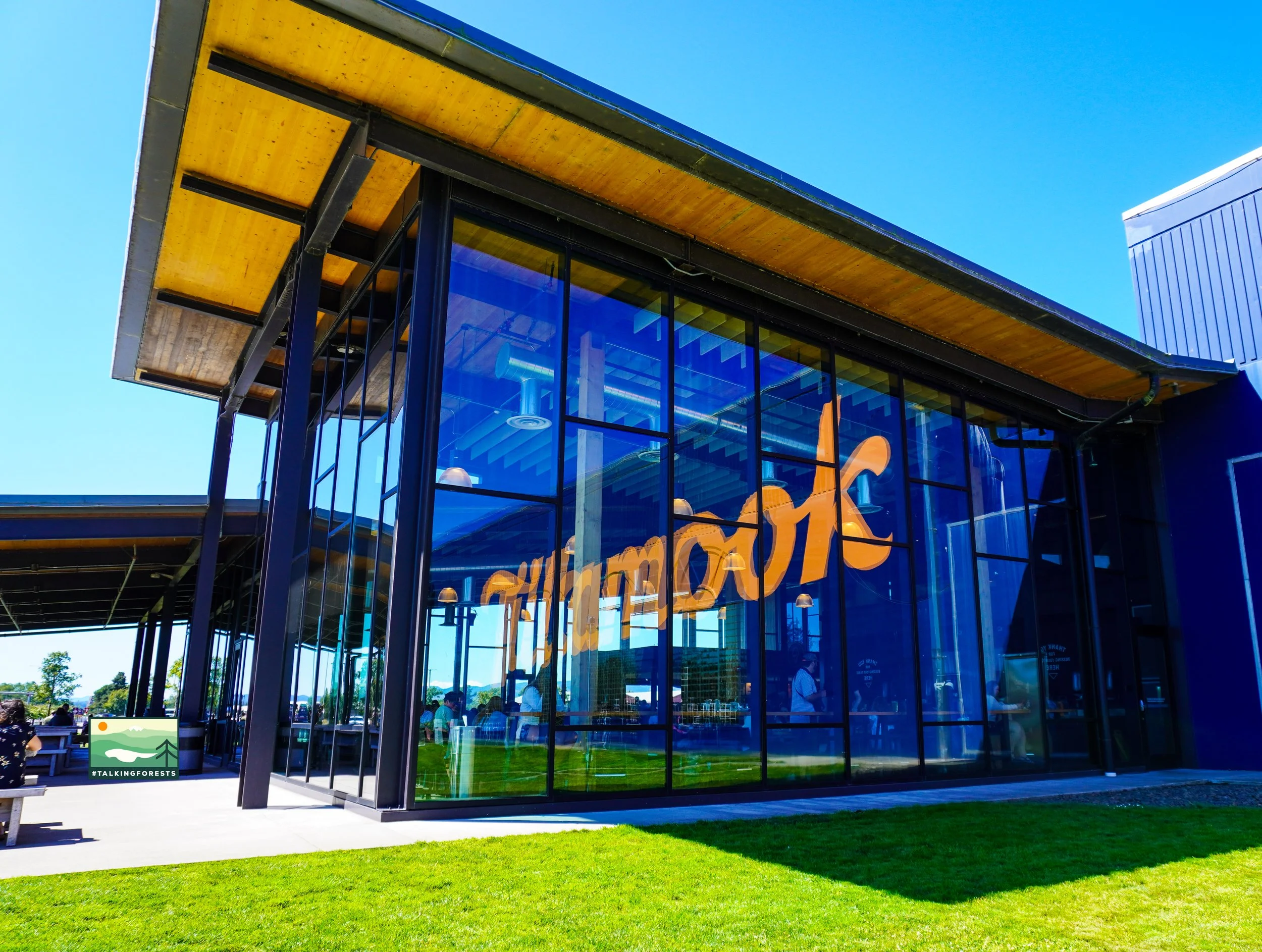
The brilliant minds at Olson Kundig Architects, in collaboration with Precision Construction, spearheaded this transformation. They took inspiration from the local agricultural vernacular, creating a modern barn structure with a simple shed roof surrounded by native Oregon coast grasses, shrubs, and trees. The building's form is both inviting and logical, with an exposed structure and a high degree of transparency that lets you literally see the cheese-making process unfold.
But the real showstopper?
Exposed mass timber and MEP at Tillamook Creamery
The mass timber...
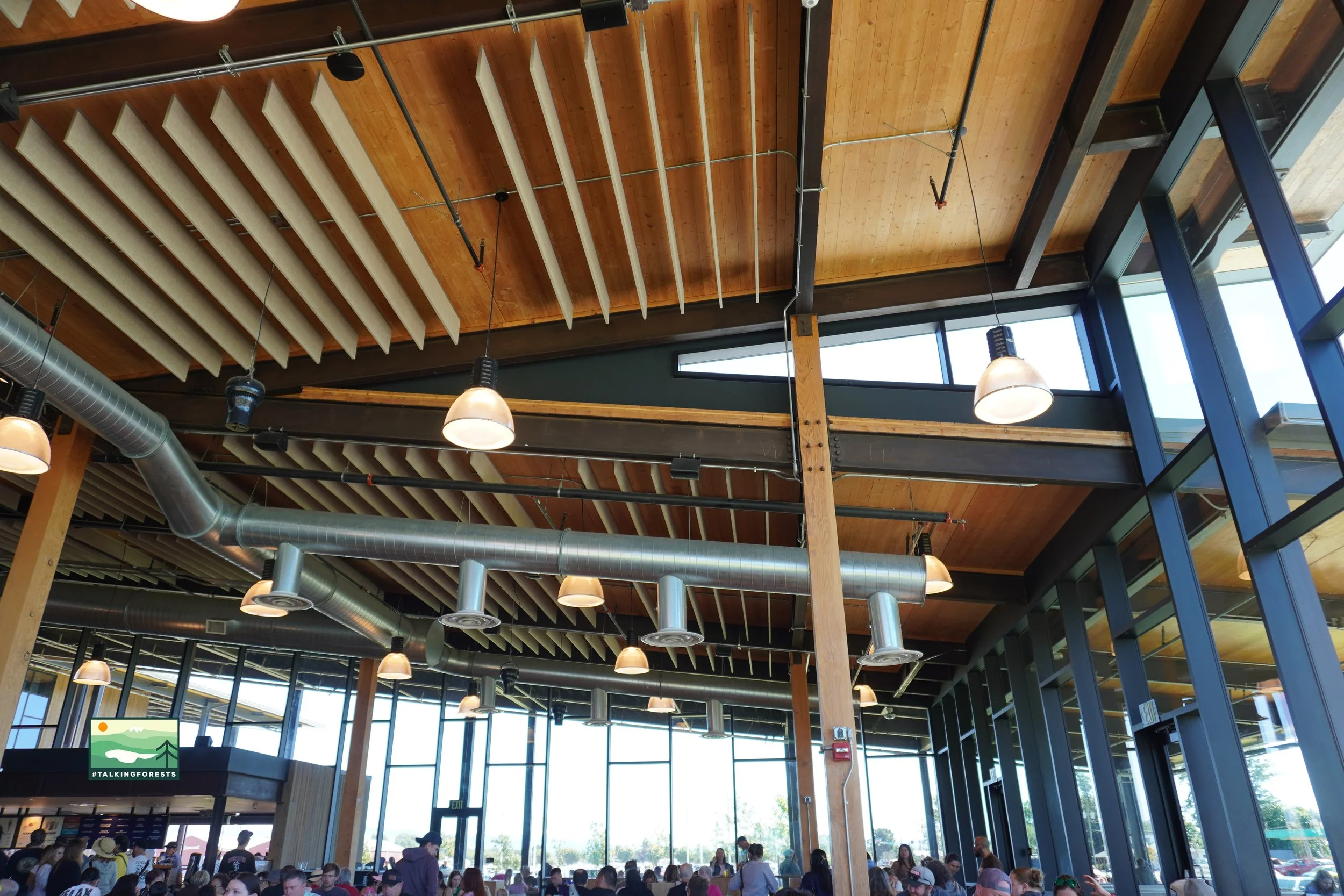
The facility boasts an impressive 25,000-square-foot cross-laminated timber (CLT) roof system, a defining feature that creates a warm and inviting atmosphere. This choice of material isn't just about aesthetics; it's a profound statement. It aligns with the creamery's commitment to sustainability and pays homage to the region's timber industry, beautifully weaving together the two vital agricultural threads of Oregon: dairy and trees. The meticulous placement of these timber panels by Carpentry Plus, Inc. showcases the structural beauty of wood.
The principal of Olson Kundig, eloquently put it, "It is a deep honor to be trusted by the farmers of the Tillamook Cooperative to design their new visitor experience. Our hope is that the new building and the experiences visitors have within will become part of the Tillamook story – a story that is about high-quality products but also about the Tillamook farmers and employees themselves". Alan Maskin, another Design Principal, added that they wanted to blur the lines between architecture and interpretive storytelling to offer a deeper understanding of Tillamook's unique history and the future of farming.
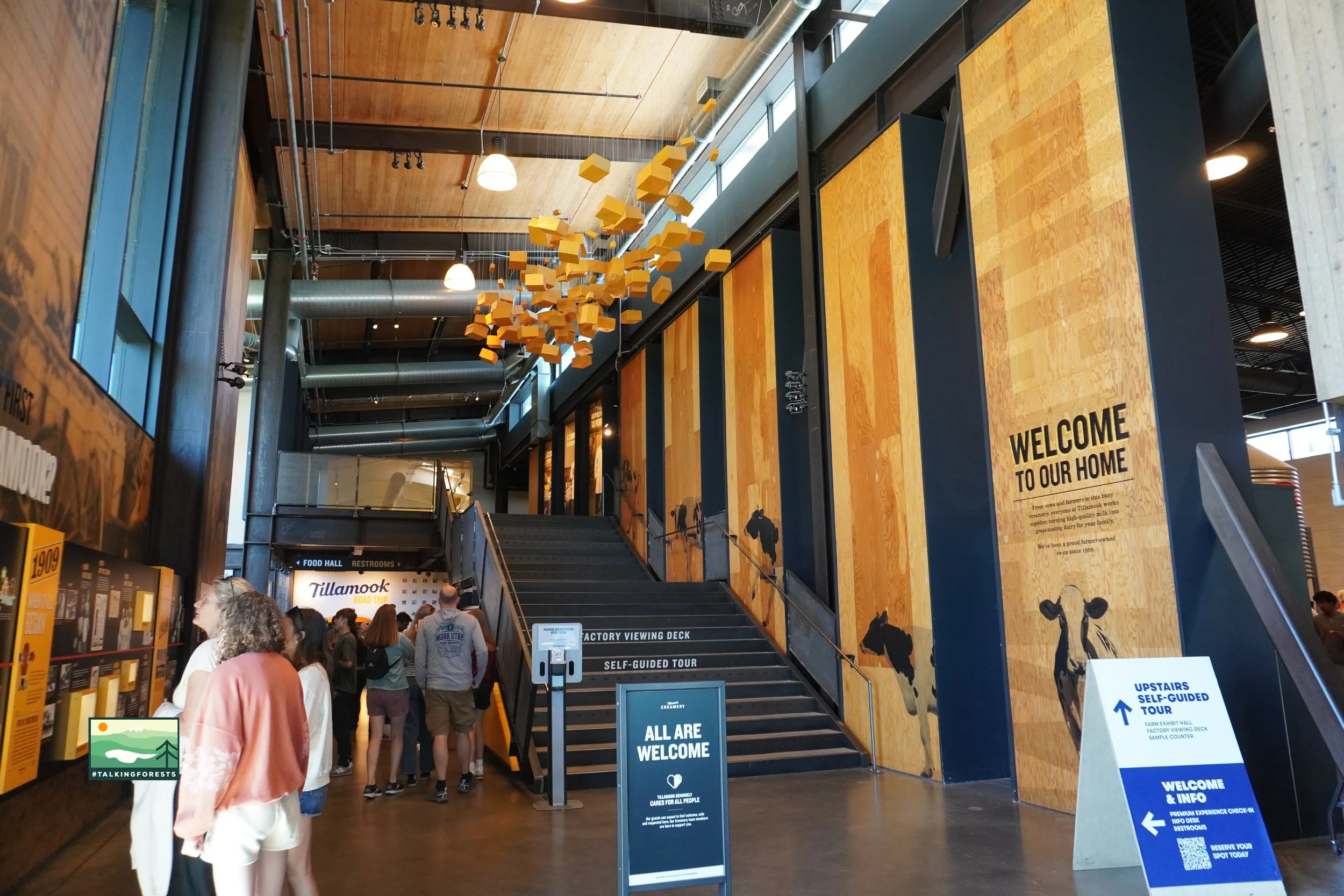
And let's not forget the sensory experience! This visitor center truly stands out. The culmination in tasting the cheese made on-site and food incorporating Tillamook's products. The architecture itself draws from contemporary barn architecture through the use of tough, durable materials, as well as simple structures and volumes that are driven by economy, functionality, and efficiency.
Even with the challenges of building on a sandy site with over 100 inches of rain annually, the project team delivered the center two months ahead of schedule and under budget. Talk about a testament to meticulous planning and execution!
From Creamery to Cow-orking
But Tillamook's embrace of timber doesn't stop at the Creamery. In 2017, they commissioned LEVER Architecture to design a 30,000 square-foot operations and development outpost in Portland. This isn't just any office; it's a strategic move to connect the company with Portland's innovative food culture and community.
This project involved knitting together three historic heavy timber warehouse buildings, transforming them into a modern, collaborative workspace. The design aesthetic? Unembellished, with a material palette of concrete, wood, and blackened steel, consciously evoking the simplicity and practicality of the company’s farming heritage. Sound familiar? It's the same thoughtful nod to their agricultural roots that we saw in the Creamery.
The internal layout is organized around a central street or circulation path, a striking 200-foot wood wall made from large-scale plywood shiplap. Shared amenities like reception, conference rooms, storage, and even a garden courtyard are artfully carved into this impressive wood wall, maximizing opportunities for impromptu exchange and fostering collaboration. The heart of this Portland hub is a central kitchen and café, designed for presentations, product testing, and company-wide events, directly accessible to a state-of-the-art research and development food lab
Agriculture, Forests, and a Sustainable Future
So, what's the big takeaway from Tillamook's tale? It's a beautiful demonstration of how deeply intertwined agriculture and forested areas are, especially in a region like Oregon. Tillamook, a company built on the bounty of the land – the milk from their cows – has chosen to extend that respect for natural resources into their physical spaces by embracing mass timber.
Both the iconic visitor center and the innovative Portland office highlight the aesthetic appeal of mass timber construction. They show us that modern, high-performance buildings can be constructed with a material that is renewable, sustainable, and resonates with the very essence of a brand's heritage. The choice of wood, concrete, and blackened steel in both projects wasn't arbitrary; it was a deliberate echo of the simple, practical materials found in farming and historic warehouses, honoring the company's agricultural origins.
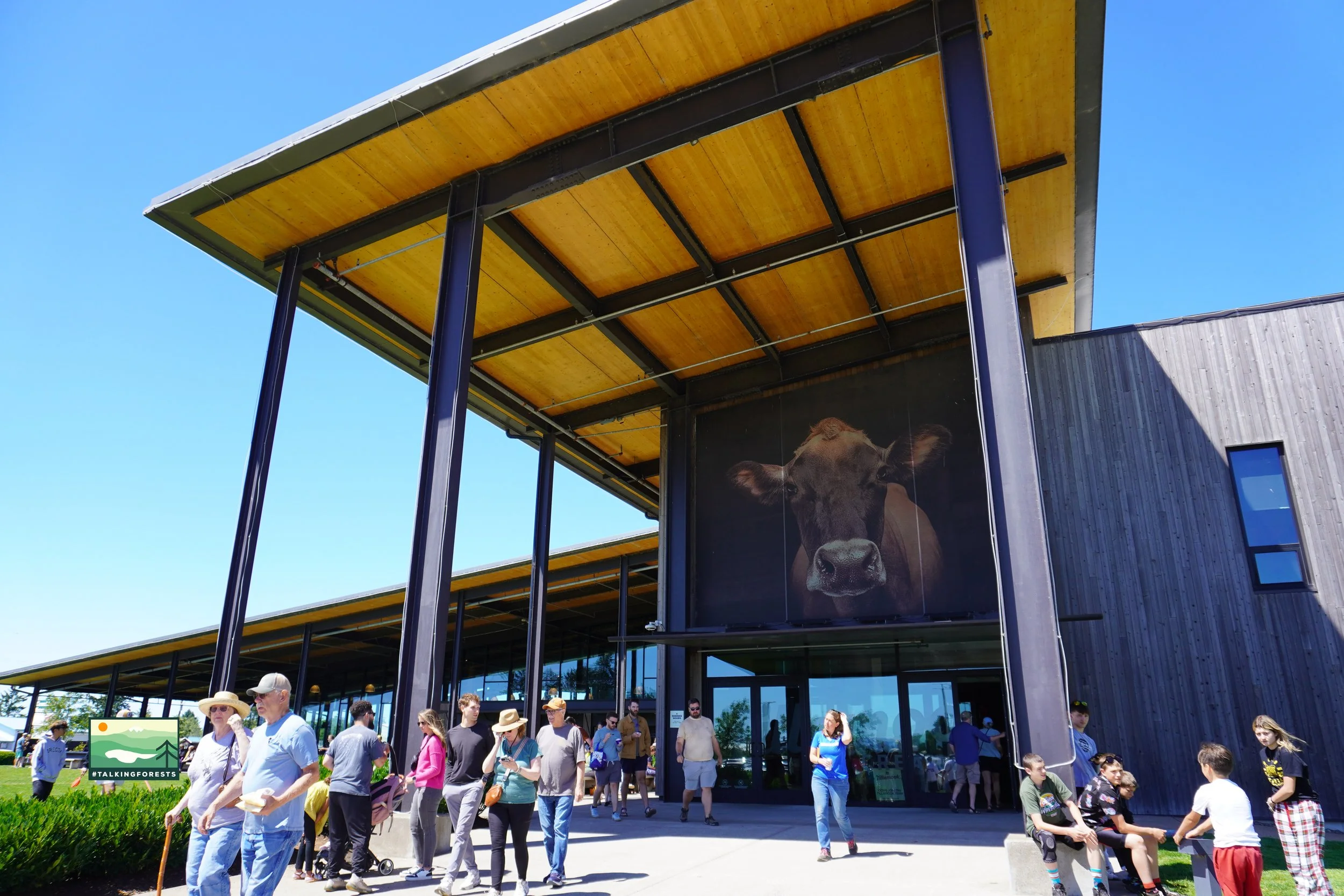
From the majestic CLT roof of the Creamery to the heavy timber warehouses transformed in Portland, Tillamook is quite literally building its future on the strength and sustainability of wood. It's a testament that you can honor your past, create delicious products, and build for a sustainable future, all while making everyone from visitors tasting cheese to employees collaborating in beautiful spaces – incredibly happy.
So, next time you bite into a piece of Tillamook cheddar or scoop of their ice cream, remember the towering trees and the clever architecture that also play a part in their incredible story!
Let us know if you would like to have Talking Forests write about your mass timber projects. Check out our latest blogs.